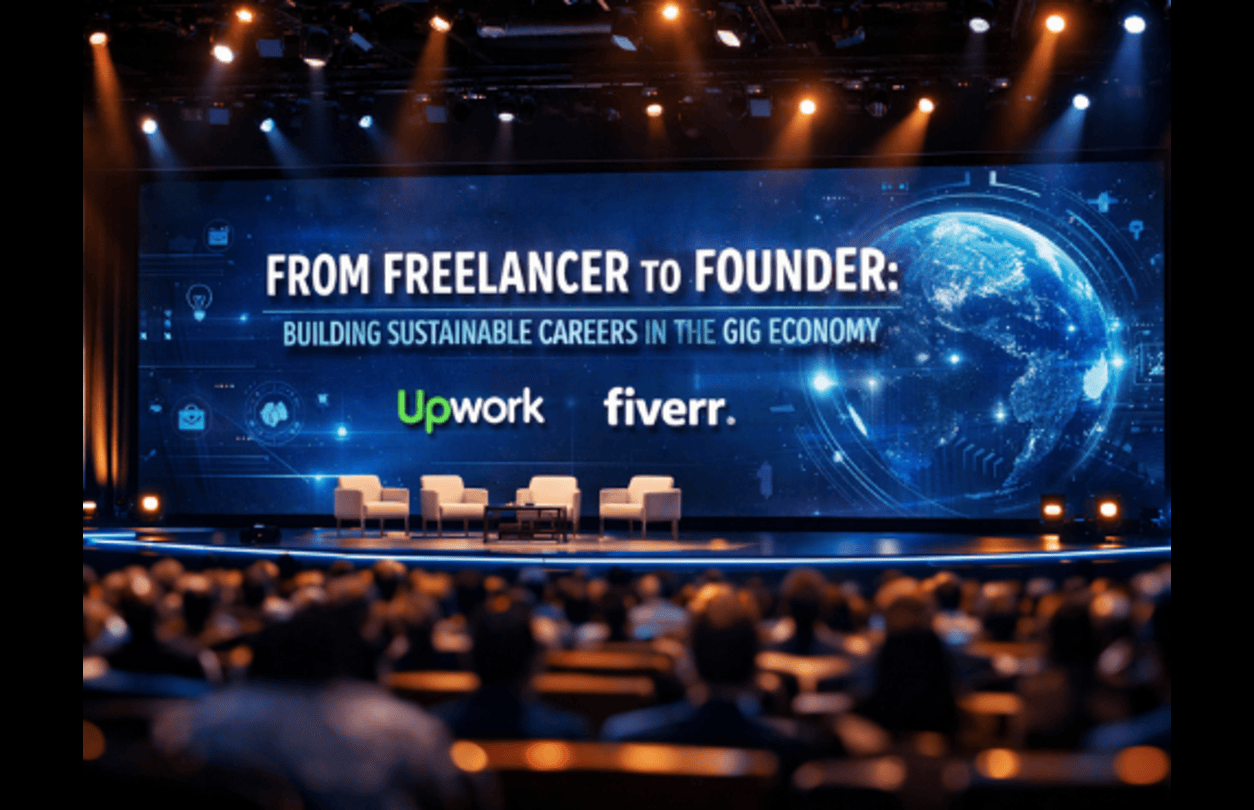
From Freelancer to Founder: Building Sustainable Careers in the Gig Economy
The gig economy has created unprecedented opportunities for individuals to monetize skills globally. However, long term success requires more than short term gigs. This session explores how freelancers can transition from transactional work to sustainable, growth-oriented careers by adopting an entrepreneurial mindset. The talk will unpack how freelancers can position themselves as value creators, build personal brands, manage finances strategically, and gradually scale their services into ventures. Participants will gain insights into avoiding common freelancing pitfalls, identifying scalable opportunities, and leveraging platforms, networks, and institutional support for long-term impact. Whether you are a student, early-stage freelancer, or professional exploring the digital economy, this session will help you re-imagine freelancing not just as a source of income but as a pathway to entrepreneurship, leadership, and economic resilience in a rapidly changing global market.
importance of the session
This session is important because it shifts the way freelancing is understood—from a short-term income activity to a long-term career and entrepreneurial pathway. In the growing gig economy, many individuals focus on completing tasks and earning per project, but without a strategic approach, this often leads to instability, burnout, and limited growth. By introducing an entrepreneurial mindset, the session helps participants understand that sustainable success requires more than technical skills; it demands strategic positioning, value creation, and long-term planning.
The discussion is especially valuable because it highlights how freelancers can build personal brands, manage finances effectively, and identify opportunities that extend beyond transactional work. Rather than continuously trading time for money, participants are encouraged to think about scalability, systems, and venture creation. This perspective allows freelancers to move from dependency on platforms or individual clients to building independent, resilient professional identities.
Additionally, the session addresses common challenges such as underpricing, inconsistent income, and lack of career direction. By exploring practical strategies and available support systems, including networks and institutional resources, it equips participants with tools to grow confidently in a competitive global market.
Ultimately, this session is significant because it empowers students, early-stage freelancers, and professionals to see freelancing not merely as a temporary source of income but as a foundation for entrepreneurship, leadership, and long-term economic resilience in a rapidly changing world.




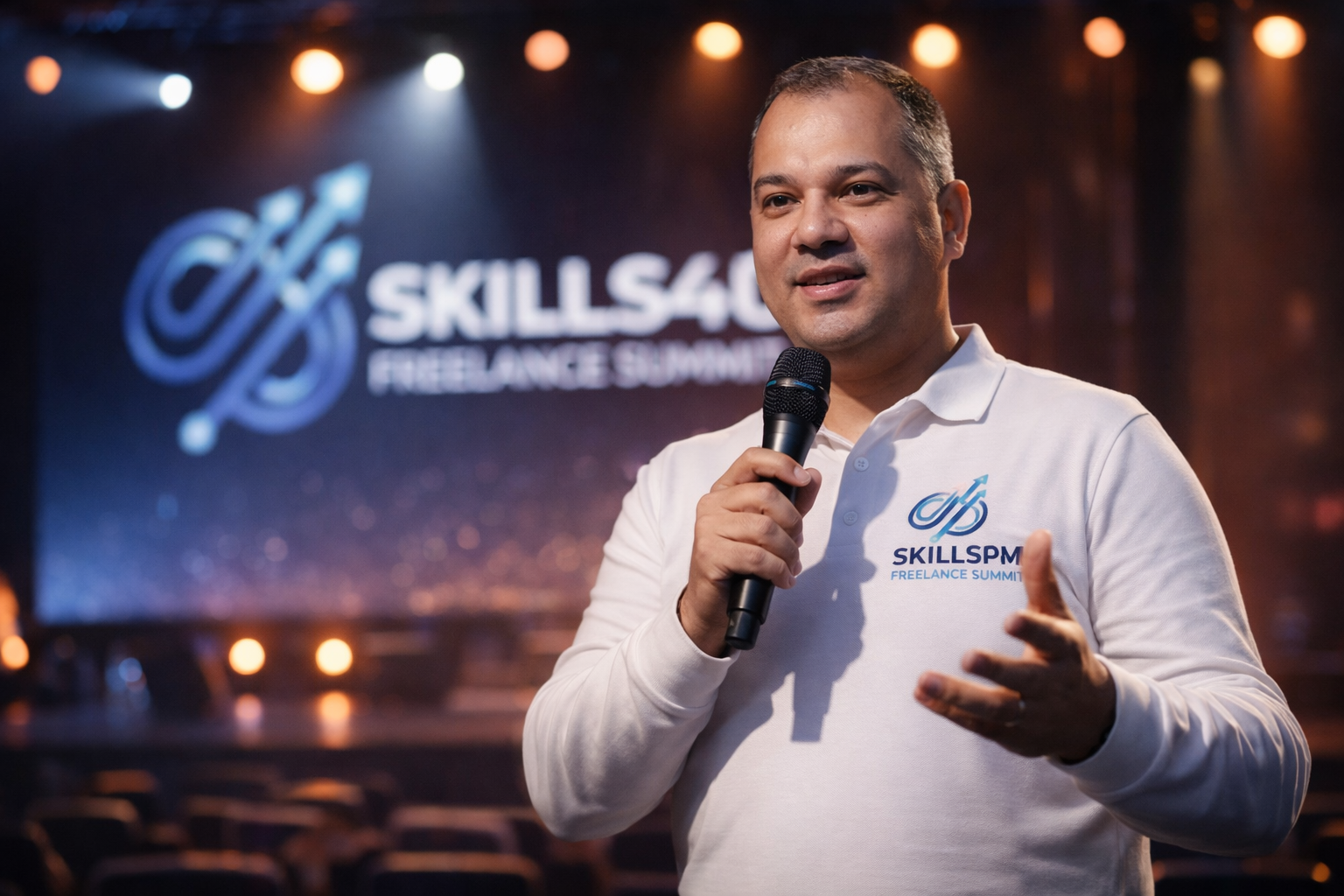
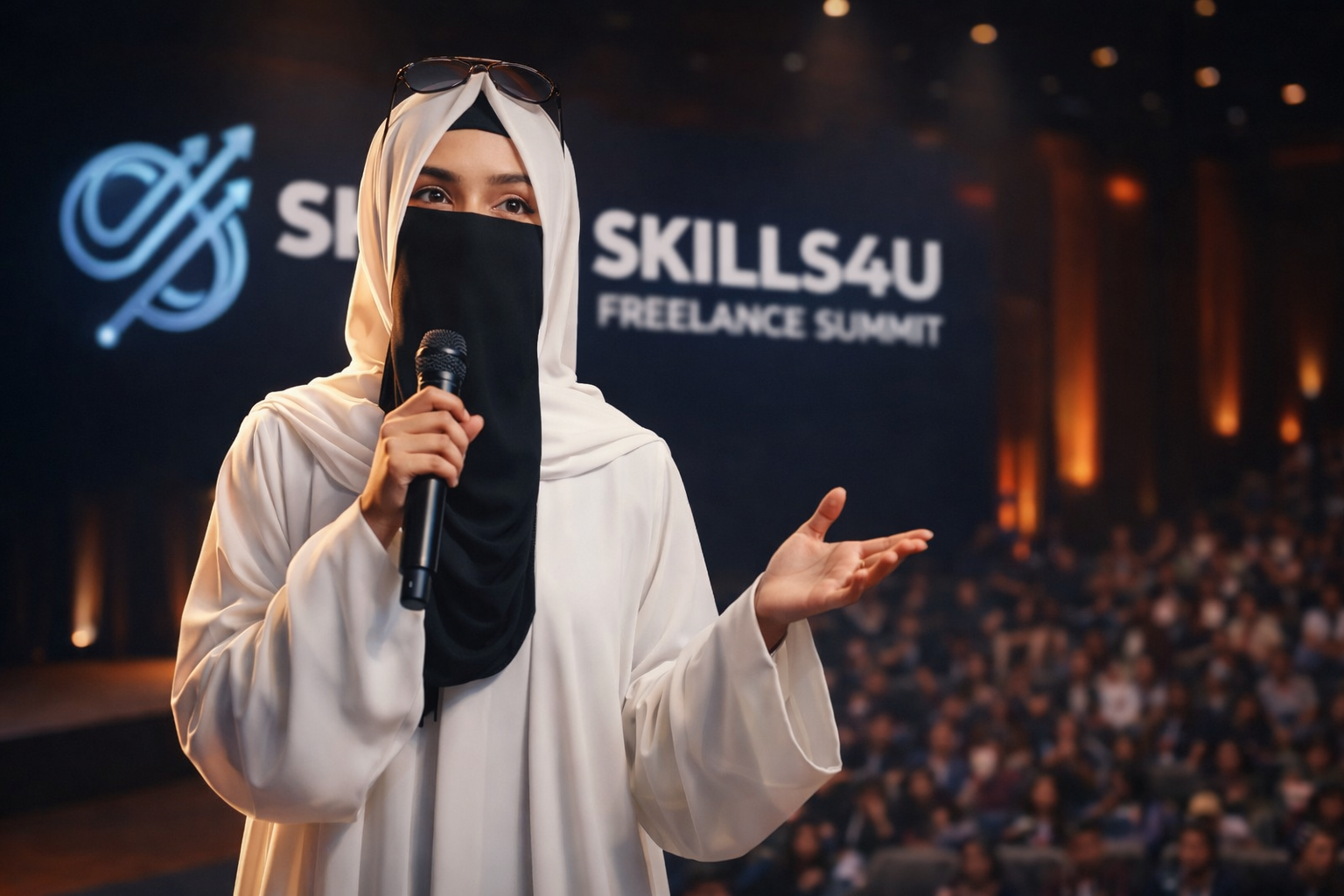
 Skills4u Freelance Summit